


Introduction
In the modern healthcare landscape, a robust digital presence is no longer optional for private practices and hospitals. Patients increasingly turn to search engines to find medical providers, research symptoms, and book appointments. To stand out in a crowded marketplace, healthcare professionals must employ a dual strategy that combines immediate visibility with long-term organic authority. This comprehensive approach involves leveraging paid search campaigns to capture high-intent traffic while simultaneously optimizing the website to rank higher in organic search results. Understanding the synergy between google ads for doctors seo is crucial for maximizing return on investment and building a sustainable patient base.
This guide explores the foundational elements required to establish a dominant online presence. It covers technical website optimization, local search strategies, content marketing tailored to patient education, and the nuances of running compliant paid campaigns. By integrating these strategies, medical practices can ensure they are visible at every stage of the patient journey, from initial research to final decision-making. The goal is to create a digital ecosystem that not only attracts new visitors but also builds trust and credibility, turning searchers into loyal patients.
Building a Trustworthy Practice Foundation
The foundation of any successful medical digital strategy is a website that conveys professionalism and trustworthiness. Patients are evaluating a practice based on the quality of their digital storefront; therefore, the site must be user-friendly, fast, and secure. A secure site is absolutely essential, as healthcare involves sensitive data. Furthermore, the website needs to clearly communicate the practice’s expertise, showcasing the medical professionals’ credentials and specializations.
Patient testimonials and case studies should be featured prominently to build social proof. It is important to ensure all content adheres to privacy regulations, presenting information in an accessible, empathetic tone. The structure of the site should allow patients to find information quickly, such as office hours, location, and services offered. A clear call to action on every page encourages users to take the next step, whether it is calling the office or booking an appointment online. Investing in a high-quality website reduces bounce rates and sets the stage for successful marketing campaigns.
Localized Visibility Strategies for Healthcare
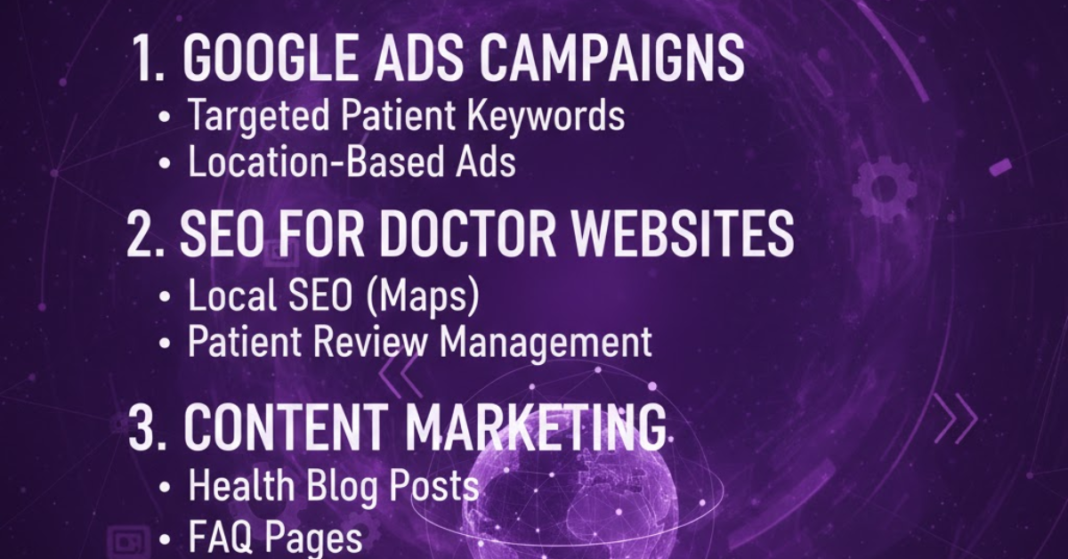
For most medical practices, capturing local search volume is the most effective way to drive new patient appointments. This requires a comprehensive approach to local listing management and ensuring that location-based queries are targeted effectively. A complete and optimized listing in local directories is crucial, ensuring that the practice’s name, address, and phone number are consistent across the web. This consistency helps search engines verify the legitimacy of the practice and improves its chances of appearing in local map packs.
Localized content is also essential. Creating pages that highlight specific services within particular neighborhoods or regions can improve visibility for hyper-local searches. Additionally, actively managing patient reviews on these local platforms not only improves credibility but also signals relevance to algorithms. Responding to reviews, both positive and negative, shows engagement and a commitment to patient satisfaction. This focus on local search ensures that when residents in the immediate vicinity look for medical care, the practice is among the first options they encounter.
Developing Educational Content That Converts
Educational content serves as the cornerstone for establishing authority and attracting patients who are researching their symptoms. By producing high-quality articles, blog posts, and guides, a practice can demonstrate its expertise while addressing the concerns of its target audience. This content should be patient-centric, focusing on answering questions rather than just promoting services. The goal is to guide visitors through their research process, providing valuable information that builds trust in the provider’s knowledge.
Using data to understand what patients are searching for allows for the creation of content that addresses real needs. This might include explaining complex medical conditions in simple terms, detailing treatment options, or offering preventative health tips. Furthermore, this educational material should be optimized to rank for specific terms, ensuring it reaches the right audience. Including clear calls to action within this content can seamlessly transition readers from researchers to patients. This strategy not only improves visibility but also positions the practice as a reliable resource in the healthcare field.
Technical Optimization for Performance
The technical performance of a medical website directly impacts its ability to rank and convert visitors. A site that loads slowly or is difficult to navigate on mobile devices will frustrate users and be penalized by search engines. Technical optimization involves minimizing image sizes, leveraging browser caching, and ensuring clean, efficient code. For doctors, mobile responsiveness is particularly critical, as many patients search for medical information on their smartphones while on the go.
Another crucial aspect is implementing structured data markup, which helps search engines understand the context of the website’s content, such as doctor profiles, practice locations, and patient reviews. Security is also paramount, and ensuring the website has an active SSL certificate is mandatory. Regular technical audits can identify broken links, crawl errors, or other issues that might hinder search performance. By ensuring the technical foundation is flawless, a practice ensures that all other marketing efforts are not wasted on a site that cannot perform well.
Patient Engagement Through Strategic Outreach
Moving beyond search, patient engagement through email newsletters and targeted outreach can keep a practice top-of-mind for current and past patients. This is not about spamming but about delivering value directly to the patient’s inbox. Personalized content, such as wellness tips, updates on practice services, or reminders for preventative check-ups, helps build a lasting relationship. This direct communication channel ensures patients feel valued and informed, increasing the likelihood of retention and referrals.
Strategic outreach also involves engaging with the community through educational seminars, health fairs, or partnerships with local organizations. These activities not only provide direct value to the community but also build brand awareness and enhance the practice’s reputation. Social media platforms can also be used to share educational content, showcase the office environment, or introduce staff members. A consistent and engaging outreach strategy reinforces the online efforts, creating a holistic approach to patient acquisition and retention that bridges the gap between digital and physical interaction.
Compliance and Ethical Marketing Practices
Marketing in healthcare requires strict adherence to ethical guidelines and legal regulations. Unlike traditional consumer products, medical advertising must be accurate, non-deceptive, and protective of patient privacy. This means avoiding false promises of cures or guaranteed results, and ensuring all content is verifiable and scientifically backed. Practices must also comply with data protection regulations, ensuring that any patient information collected online is stored and handled securely.
Ethical marketing also involves transparency in pricing and treatment options, allowing patients to make informed decisions without feeling pressured. Furthermore, ensuring that all digital platforms are accessible to people with disabilities is not just ethical but also a legal requirement in many jurisdictions. By prioritizing integrity and compliance, a practice builds long-term trust with its patients and avoids legal pitfalls. This commitment to ethical standards is essential for maintaining a positive reputation in the community and ensuring longevity in the highly regulated healthcare industry.
Data Analysis and Continuous Improvement
The digital marketing landscape is dynamic, requiring constant monitoring and adjustment to ensure optimal performance. Analyzing data from both website analytics and campaign dashboards is essential for understanding what is driving results. This involves tracking key metrics such as click-through rates, conversion rates, and patient acquisition costs. By identifying which keywords, ads, or content pieces are performing best, a practice can allocate its budget more effectively and refine its strategy for better outcomes.
Continuous improvement also means staying updated with changes in search engine algorithms and industry trends. Regularly auditing the strategy and testing new approaches ensures that the practice remains competitive. This data-driven approach removes guesswork, allowing for decisions based on concrete evidence of what works. Furthermore, soliciting patient feedback about their digital experience can provide qualitative data to supplement quantitative analytics. This commitment to ongoing optimization ensures that the digital strategy evolves alongside the needs of the patients and the goals of the practice.
Marketing Performance Overview
| Metric | Google Ads (Paid) | Organic SEO (Earned) |
| Speed to Results | Immediate | Long-term (Months) |
| Cost Structure | Cost per Click (Variable) | Investment in Content/Tech |
| Visibility | Top of Page (Sponsored) | Below Ads / Local Maps |
| Sustainability | Stops when budget ends | Lasting authority |
Frequently Asked Questions
What is the best way to start marketing a new medical practice?
Begin by building a robust, secure website and setting up a verified Google Business Profile. Combine local optimization with targeted paid campaigns to generate immediate visibility while organic efforts take time to build.
How can I ensure my ads are compliant with medical regulations?
Avoid making guaranteed claims about results. Ensure all ad copy is truthful, supported by evidence, and adheres to the specific guidelines of platforms like Google, as well as local healthcare regulations.
Is SEO worth the investment for doctors?
Yes, it is essential for long-term sustainability. While paid ads provide quick traffic, organic visibility builds credibility and reduces the cost per acquisition over time.
How do I track if my marketing is actually bringing in patients?
Use tools like Google Analytics to track website conversions (phone calls, form submissions) and implement call tracking to attribute appointments directly to specific ads or search terms.
Conclusion
Combining paid search campaigns with organic optimization efforts is the most effective way to ensure a medical practice remains visible, credible, and competitive in a digital-first world. By mastering the synergy between google ads for doctors seo, practices can achieve immediate results while building a foundation for long-term patient acquisition and trust. This dual approach allows for flexibility in budgeting and strategy, ensuring that marketing efforts can be adjusted based on real-time performance data and patient needs. The investment in a professional digital presence is a critical component of modern healthcare administration.
Ultimately, the goal of these digital strategies is to provide a seamless experience for patients seeking care, making it easier for them to find, trust, and choose a specific provider. From ensuring technical performance and local visibility to crafting educational content and adhering to ethical standards, every element plays a role in building a reputable practice. Continuous analysis and refinement of these tactics will ensure that the practice not only attracts new patients but also fosters long-term relationships, contributing to the overall success and growth of the medical entity.